Peak Neurofeedback

a Neurofeedback Clinic based in Winooski VT


“A different person arises out of a regulated brain.” 

—Sebern Fisher, Leading Expert in Neurofeedback for Developmental Trauma

Our Mission

At Peak Neurofeedback, our mission is to empower individuals to achieve optimal mental well-being and unlock their full potential through personalized neurofeedback training. We are dedicated to providing exceptional mental health services that promote positive change and enhance the quality of life for our clients. Through a holistic approach to wellness, cutting-edge technology, and a client-centered focus, we strive to be a leading provider of neurofeedback services in Vermont.

REIKI

Reiki is a holistic healing practice that focuses on balancing the body’s energy to promote physical, emotional, and spiritual well-being. By channeling universal life energy through gentle touch or near the body, Reiki helps to clear blockages and restore harmony. This practice encourages deep relaxation and supports the body’s natural healing processes.

During a Reiki session, the practitioner uses both hands off and hands on healing modalities to help calm the nervous system and provide relaxation.

MINDFULNESS + MEDITATION

Mindfulness and meditation are powerful practices that help cultivate a deeper awareness and control over your thoughts and emotions. Mindfulness involves paying deliberate attention to the present moment without judgment, fostering a deep sense of clarity and calm. Meditation often involves techniques like focused breathing, guided imagery, or mantra repetition to quiet the mind and promote relaxation.

When paired with neurofeedback, mindfulness and meditation create a synergistic effect that enhances the benefits of brain training. Neurofeedback trains your brain to self-regulate and improve its functioning by providing real-time feedback on brain activity. Adding mindfulness and meditation to your routine helps reinforce these changes by promoting a calm, centered state that supports optimal brain function.

WHAT IS NEUROFEEDBACK?

Neurofeedback is a drug-free, non-invasive therapy

SYMPTOMS TREATED

ADD/ADHD

PTSD and Trauma

Anxiety

Panic Disorders

Depression

Obsessive Compulsive Disorder (OCD)

Traumatic Brain Injury (TBI)

Migraines

WHAT DOES IT DO?

Neurofeedback treats and eliminates target symptoms by conditioning specific patterns of electrical wave activity in specific regions of the brain. For example, an individual presents with excessive high beta on CZ (a pattern of brain wave activity closely linked to anxiety). To treat this, a sensor is placed on the scalp over the region of interest, and the computer program is set to provide feedback whenever it receives desired wave activity. After repeatedly receiving feedback, the brain will reproduce this activity, even when not in session. 

IS NEUROFEEDBACK PAINFUL?

Neurofeedback is painless and non-invasive. No serious or long-term risks have been identified when neurofeedback is done with a qualified mental health provider.

Typically side effects are minimal to non-existent, and they usually improve within minutes to a few days after the session and stop altogether as we tailor the protocols to your specific needs

WHAT HAPPENS AFTER TREATMENT?

The goal of neurofeedback is to permanently eliminate symptoms by re-regulating the brain. This means that the target symptom has been reduced dramatically or removed altogether such that it no longer requires treatment.

CAN I TAKE MEDICATION WHILE TRAINING?

Neurofeedback treats conditions that are often treated with medication. If you are on medication while doing neurofeedback, it is necessary to remain in contact with your doctor, as your need for the medication may change (lessen) and you may need to decrease the dose. Neurofeedback is often used instead of medication for anxiety, insomnia, depression, and ADHD. It can also be used to treat these issues at their cause and eliminate the need for medication that is already being taken. 

Throughout life, stress, overarousal, poor nutrition, lack of physical exercise, injury, and toxic substances cause the brain to deregulate.

To combat this, neurofeedback uses computer technology to restore balance to and regulate abnormal/irregular brain activity. Also called EEG biofeedback, neurofeedback therapy uses passive conditioning to train a deregulated brain to exhibit more regular activity. 

HOW DOES IT WORK?

What is a qEEG?

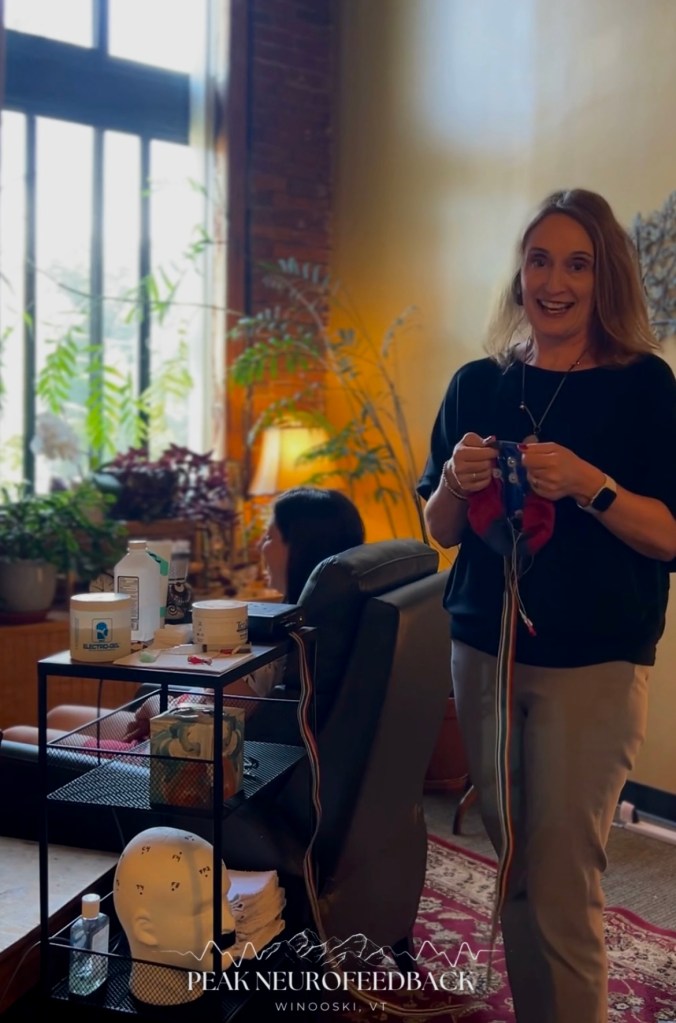
Watch Katie, our owner, walk you through a qEEG appointment to get an idea of what your first visit to our office might look like

Beginning with a Brain Map.

At our clinic, we begin by doing a brain map or quantitative electroencephalogram (qEEG). We are able to collect data on EEG from 19 different sites simultaneously. This data is run through a database, providing us with information about how your symptoms correspond with your specific brain functioning.

Protocols are developed to correct these issues, restoring balance and helping regulate functioning. Symptoms, are typically caused by EEG amplitude that is too high or too low on specific sites, or problems with coherence, when areas of the brain are not functioning in sync with each other or they are too connected. This initial brain map creates a baseline for us to work with.

Protocols

Protocols are developed for the specific needs of each individual. They are created based on the information gathered in the brain map and the symptoms the patient wishes to address. A typical neurofeedback session takes 50 minutes, and between one and three protocols are done to address the brain dysregulation specific to the patient. This process works by having your brain functioning (EEG) displayed to you in real-time, with reinforcements to make the changes in the direction of increased regulation and functioning.

When doing neurofeedback, the patient sits in a chair, and sensors are placed on the scalp over areas we are looking to make changes on. These sensors are connected to a high-powered amplifier, which is able to pick up EEG, the tiny electrical impulses resulting from brain functioning. When the patient makes changes in the direction we are looking for, they will hear a tone. The patient will also be looking at a screen which will become more clear when they are making the desired change and dimmer when they are not. The process is largely unconscious with the brain looking to follow the cues it is being given to make changes in functioning.

Resources

Neurofeedback and Treatment for PTSD

“NF produced significant PTSD symptom improvement in individuals with chronic PTSD, as well as in affect regulation capacities.”

International Society for Neuroregulation & Research

 What Is Neuroregulation Training? | ISNR

“NFT is preceded by an objective assessment of brain activity and psychological status. During training, sensors are placed on the scalp and then connected to sensitive electronics and computer software that detect, amplify, and record specific brain activity. Resulting information is fed back to the trainee virtually instantaneously with the conceptual understanding that changes in the feedback signal indicate whether or not the trainee’s brain activity is within the designated range. Based on this feedback, various principles of learning, and practitioner guidance, changes in brain patterns occur and are associated with positive changes in physical, emotional, and cognitive states”

WHAT TO EXPECT

HOW LONG UNTIL I FEEL BETTER?

We recommend at least 2 one-hour therapy sessions per week through the first month of treatment. Because we are training or teaching the brain to function differently, repetition is key and at least initially, having sessions closer together is beneficial to help consolidate learning and make it permanent. 

The literature indicates that therapy is typically completed in 20 to 40 sessions. Length of treatment is determined by how well the individual responds to treatment and the complexity of symptoms being treated. Autism and developmental trauma may take more sessions whereas anxiety or depression could take less.

A typical treatment course might look like coming for sessions twice a week for the first 6-8 weeks, then once a week for 4-8 weeks, then every other week for a few months. While some clients notice small, short-term improvements after just the first session, it more commonly takes up to 10 sessions for progress to begin to take hold in a substantive way and 10-30 more for it to become lasting.

Cost

Insurance does not cover neurofeedback, making it an out of pocket expense. The cost per session is $125.00 and the cost per qEEG is $250.00

MEET OUR TEAM

KATIE CATE, M.A., BCN-L

LICENSED PSYCHOLOGIST-MASTER

OWNER OF PEAK NEUROFEEDBACK

I live in Burlington Vermont with my three wonderful dogs. I graduated from Trinity College in 1994 with a B.A. in psychology, and graduated from St. Michaels College with a masters degree in clinical psychology in 2000. I have been working as a clinical psychologist, treating patients for the past 25 years. I began to study and incorporate neurofeedback into my practice in 2015. I also enjoy training and supervising other clinicians who are using neurofeedback. 

ELLA

NEUROFEEDBACK TECHNICIAN

I am a senior at UVM studying neuroscience with a minor in health and society. I am interested in pursuing a career in healthcare so that I can connect with and help people in a 1-on-1 setting. Outside of work and school, you can probably find me going for extremely long walks, laying in the sun, and cooking for my friends!

PAIGE

NEUROFEEDBACK TECHNICIAN

I am a senior at the University of Vermont studying Neuroscience and Spanish. I am planning to pursue a career in medicine after graduating with a focus on neuropsychology. I really enjoy learning about neurofeedback and witnessing its benefits first hand. In my free time I love to read, bake, and craft!

RONAN

NEUROFEEDBACK TECHNICIAN

I am a senior at UVM studying neuroscience with minors in Spanish and emergency medicine. I’m drawn to a future in medicine or neuroscience research, though I remain open to where my interests may lead. Outside of academics, I enjoy spending time outdoors with friends, staying active through sports, and playing music.

CAROLINE

NEUROFEEDBACK TECHNICIAN

I am a senior at UVM studying neuroscience and biology. I love interacting with clients here at Peak and watching outcomes improve over time. I hope to pursue a career in clinical neuroscience research. In my free time, you can most often find me outside running, hiking, skiing, or rock climbing. I also love practices that connect my mind and body like yoga and meditation!

MIKAYLA

NEUROFEEDBACK TECHNICIAN

I am a UVM graduate with a B.A. in psychology. I am also currently working towards getting my masters. In my free time I enjoy reading, spending time with friends, and being outside skiing or hiking.

JULIA

REIKI PRACTITIONER + HEALTH AND WELLNESS COACH


I am a Certified Reiki Master with a deep passion for energy work and wellness. Reiki offers profound benefits for anyone seeking deep relaxation, healing, and an intentional connection with the self. I am currently a graduate student at the University of Vermont, working towards my Master’s degree in Social Work. I am excited to be partnering with Peak to integrate various healing modalities. Reiki has been an invaluable tool in my own life, helping me center my energy and promote healing, and I am eager to share this practice with others.

In addition to being a Reiki Master, I am also a Health and Wellness Coach. Health and Wellness Coaching is a holistic experience, where I partner with you on your journey to discover your own health and wellness potential. Together, we will work to actualize your goals through mindful behavior changes and accountability, with a focus on lasting transformation that is guided by your unique needs and desires.

I offer Reiki sessions, Health and Wellness Coaching sessions, or a combination of both, with the first 30 minutes focused on health and wellness coaching and the last 30 minutes dedicated to a Reiki session. Please feel free to reach out if you have any questions about Reiki or Health Coaching sessions. You can contact me at jpatkin7@gmail.com. I look forward to hearing from you!

CONTACT US

Go back

Your message has been sent

Warning
Warning
Warning
Warning
Warning
Warning
Warning.

OUR OFFICE


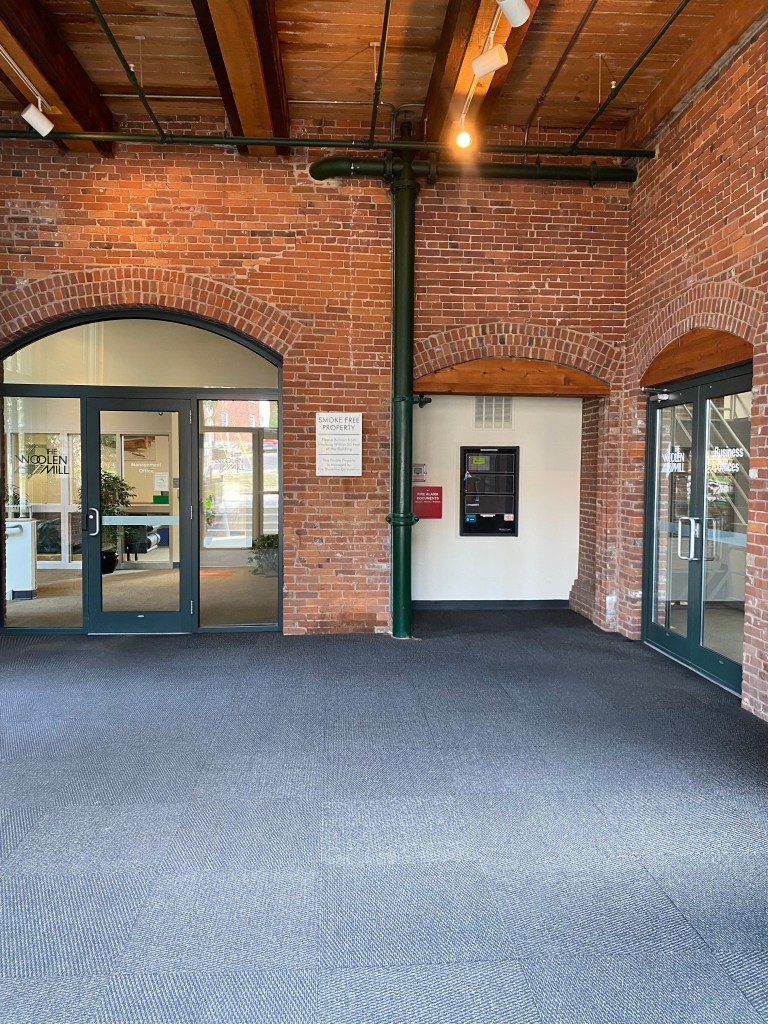
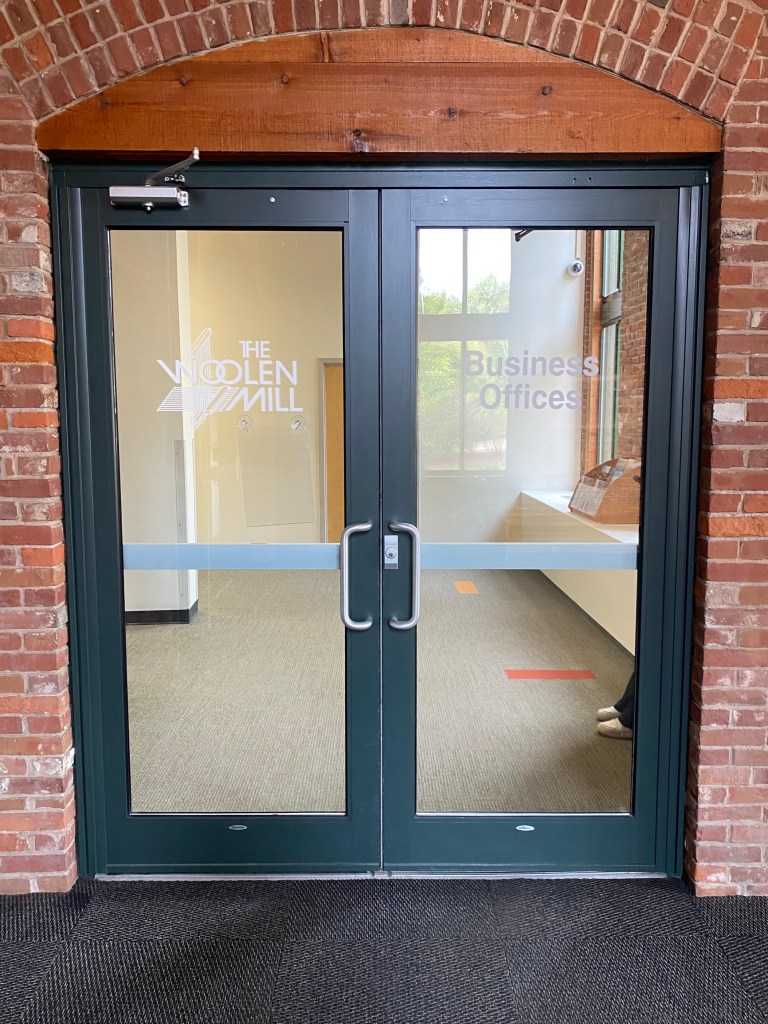
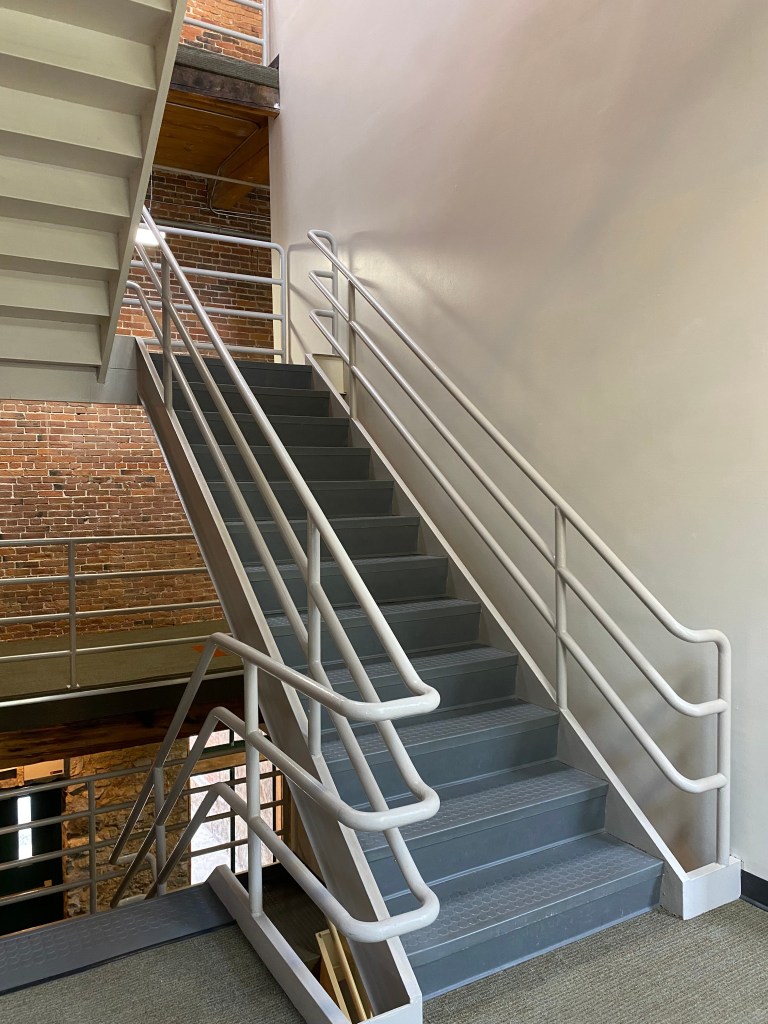
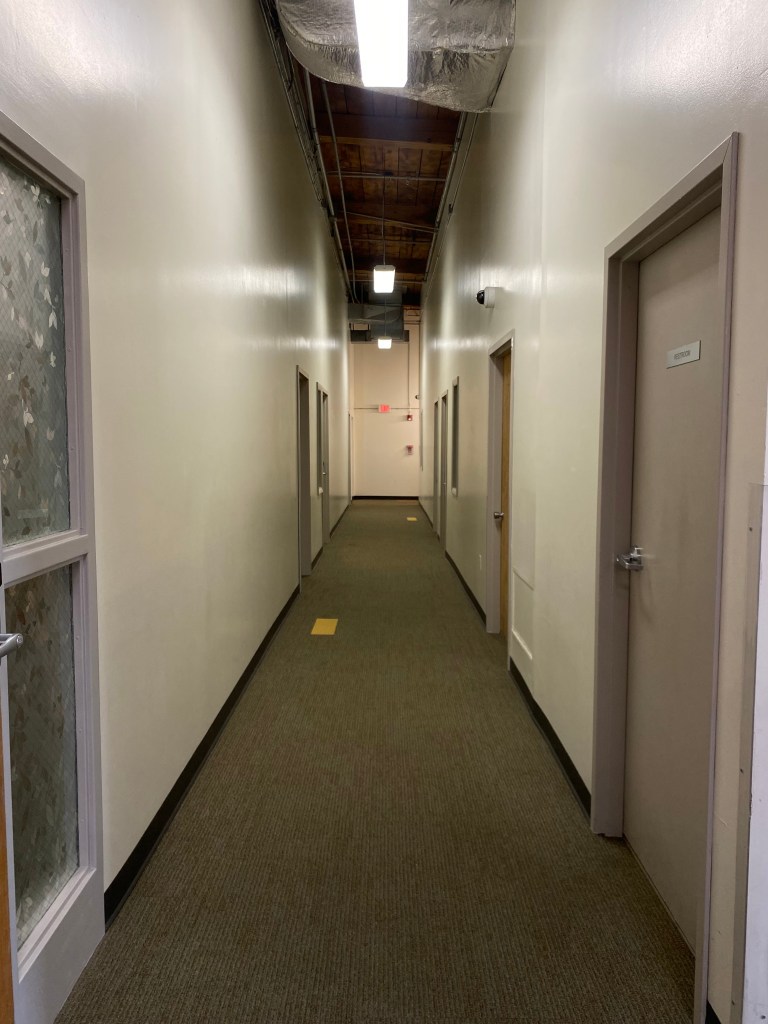
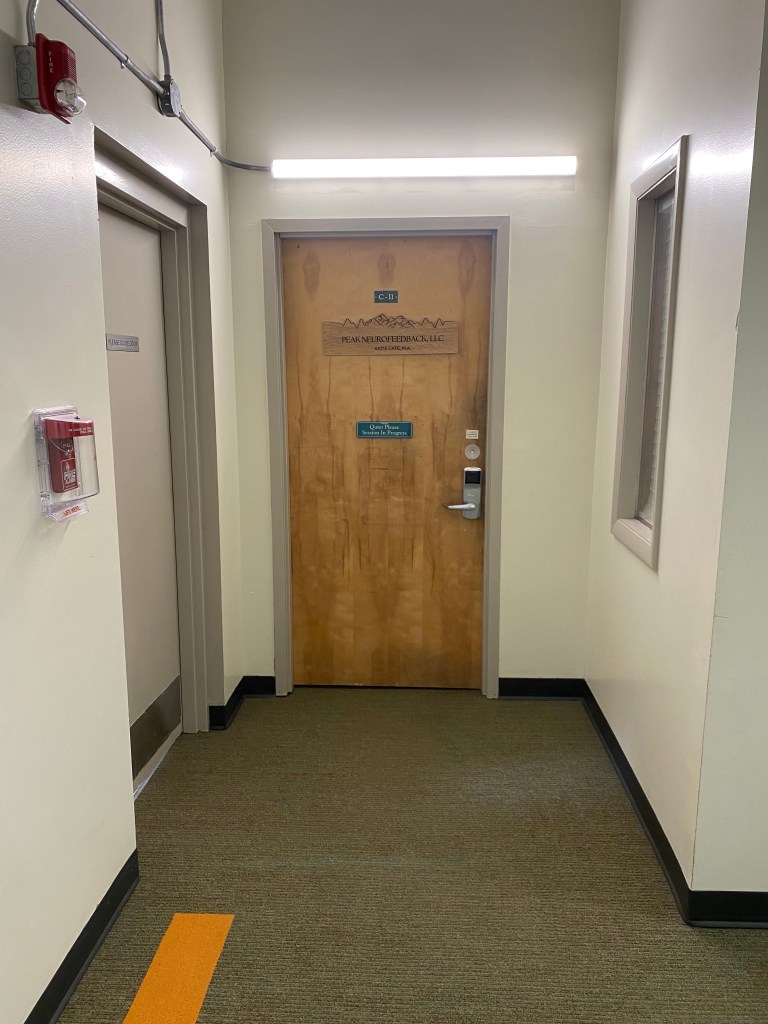
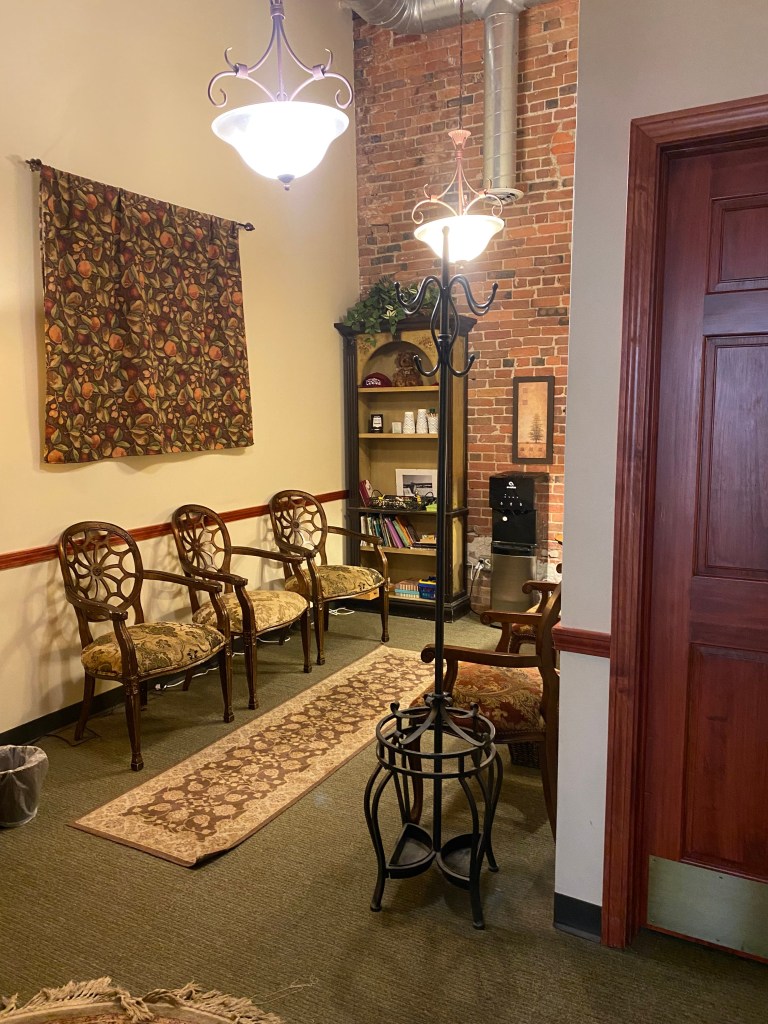
20 W Canal St, Suite C11 Winooski, VT, 05404

PARKING

As of July 1st, 2025, parking in the gated lot is not available for client use following a change made by the Woolen Mill property management. There are free and metered spots available along the nearby roads. The free spaces are marked on the map pictured.

The spaces closest to the building do require payment ($1/hour). There is a kiosk along the sidewalk to the left of the building. Payment can also be made in the ParkMobile app, though this does include a small fee.

We greatly appreciate your patience and understanding following this change.

Please call the office if you need any accommodations to get into the building, our staff is happy to assist!

GETTING HERE